
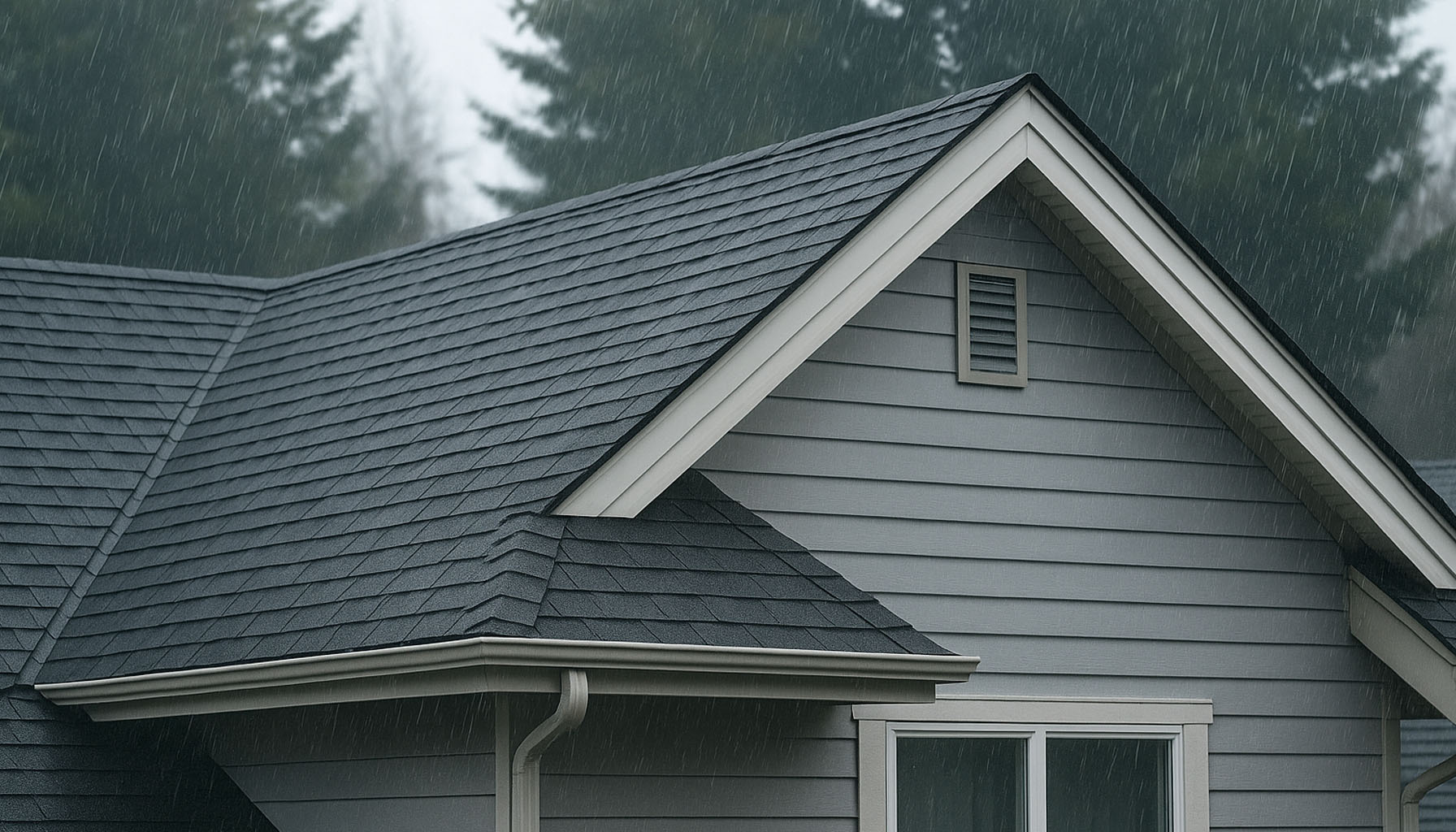
It’s mid-August in Western Washington — long summer evenings, dry sidewalks, and sunny weekends still feel like they’ll last forever. But if you’ve lived here long enough, you know that our warm season is fleeting. Before you know it, steady rains, gusty winds, and moss-friendly dampness will be part of our daily life again.
For homeowners in Arlington, Lake Stevens, Everett, Tacoma, Stanwood, Mt. Vernon, and surrounding areas, the late summer window is the perfect time to prepare your roof for the coming season. Scheduling a professional roof inspection now could be the difference between a warm, dry winter and costly emergency repairs in the middle of a storm.
🌧 What Kind of Winter Weather Can You Expect?
Western Washington winters bring:
-
Consistent rainfall that can expose or worsen small leaks
-
Wind storms capable of lifting shingles or damaging flashing
-
Freeze/thaw cycles in colder pockets like Arlington and Stanwood, stressing materials
-
Moss and algae growth in shaded areas, especially on older shake or asphalt roofs
These conditions create a perfect storm — literally — for roof issues to develop or escalate. And when they do, finding a roofer during peak winter demand can mean long waits and higher costs.

🛠 Why Planning Ahead Matters
Getting your roof inspected in late summer or early fall gives you:
-
Time to address problems before they lead to leaks
-
Better scheduling flexibility before contractors are booked solid
-
Cost savings on minor repairs that prevent major replacements
-
Peace of mind knowing your home is ready for the season ahead
Think of a roof inspection like a health check-up: catching small issues early is always easier and less expensive than waiting until you’re dealing with major damage.
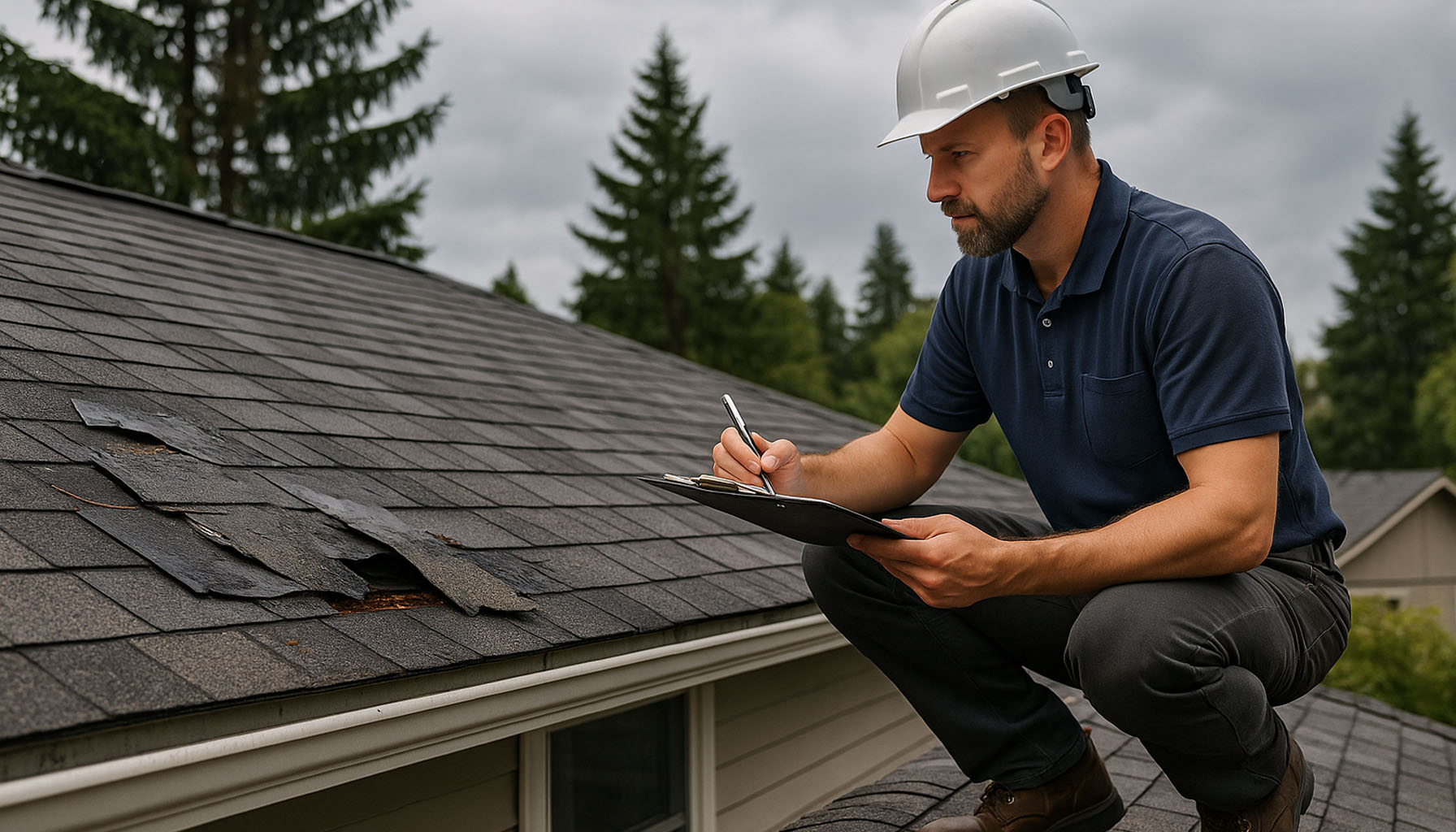
🔍 Warning Signs Your Roof May Need Attention
Before you call a professional, take a few minutes to visually inspect your roof from the ground. Look for:
-
Missing, cracked, or curling shingles
-
Moss or algae buildup, especially near shaded eaves
-
Loose or damaged flashing around chimneys and vents
-
Sagging areas or dips in the roofline
-
Granules from asphalt shingles collecting in gutters
-
Blocked or overflowing gutters
If you notice any of these issues — or haven’t had your roof inspected in several years — it’s time to schedule a professional evaluation.
🧑🔧 How Owner’s Roofing Helps
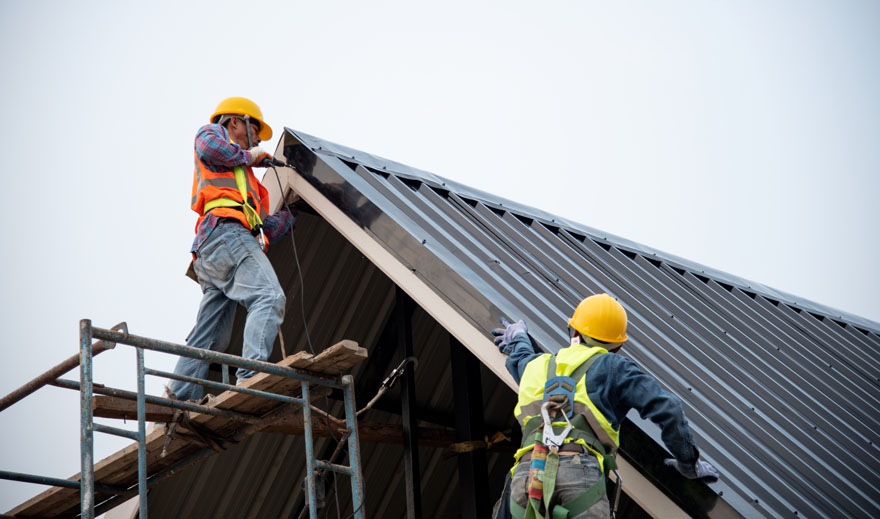
Owner’s Roofing provides comprehensive roof inspections and residential roofing services across Western Washington, including roof maintenance in Lake Stevens, roof repair in Everett, and roof inspections in Stanwood.
Our inspections cover:
-
Full material condition check
-
Flashing and gutter assessment
-
Ventilation review
-
Identification of moss, rot, or water intrusion
From small shingle repairs to full roof replacements, our team ensures your roof is prepared for whatever the Pacific Northwest weather delivers.
Frequently Asked Questions About Roof Inspections in Western Washington
continue reading
Related Posts
Filing a roof insurance claim after storm damage or leaks can be overwhelming. This guide explains what’s covered, how the claims process works, and why working with Owner’s Roofing makes roof repairs and replacements in Western Washington stress-free.
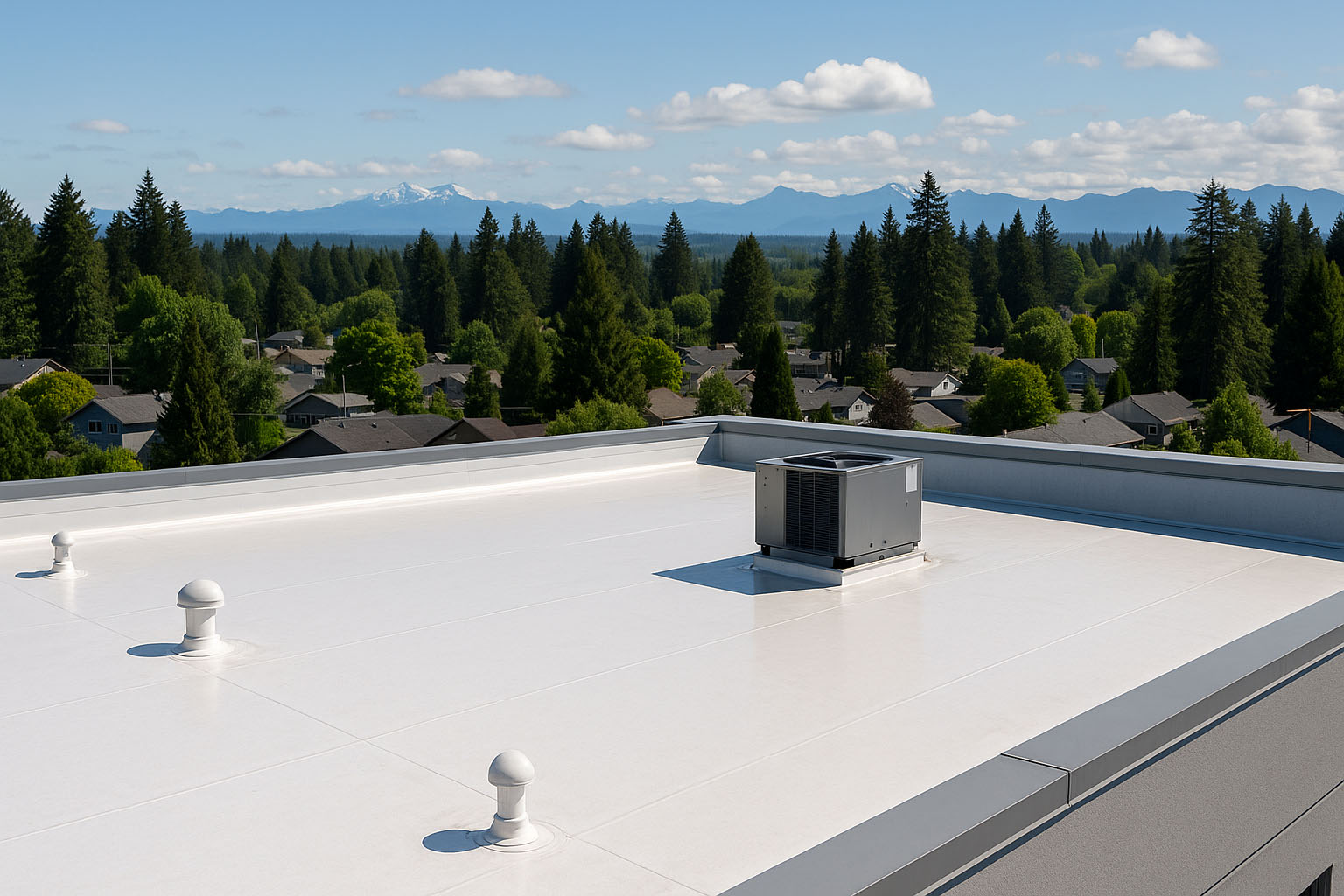
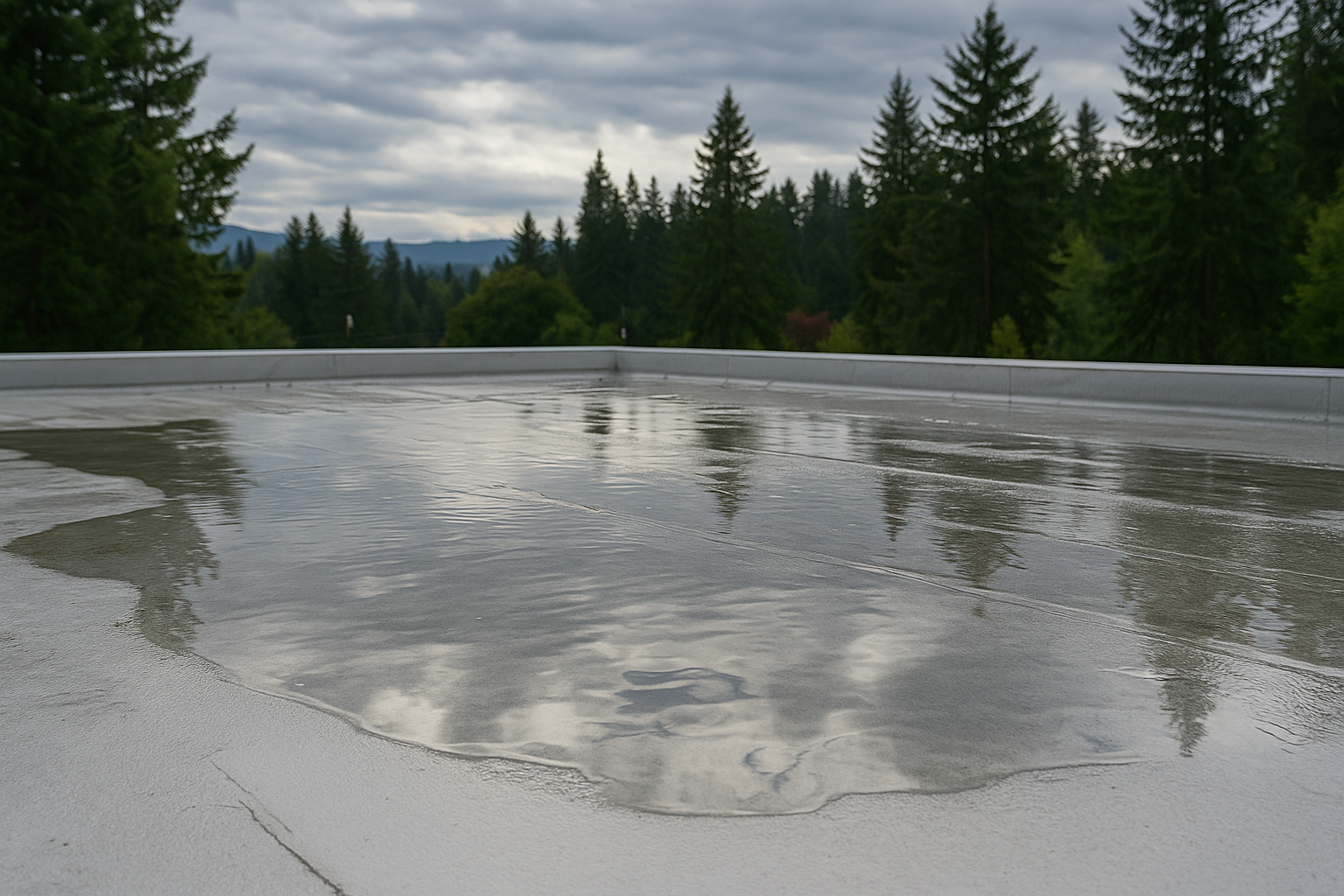
TPO and PVC roofing are top choices for low-slope roofs in Western Washington. This guide explains the benefits of each material and helps you decide which option is best for your home’s climate, slope, and long-term performance.
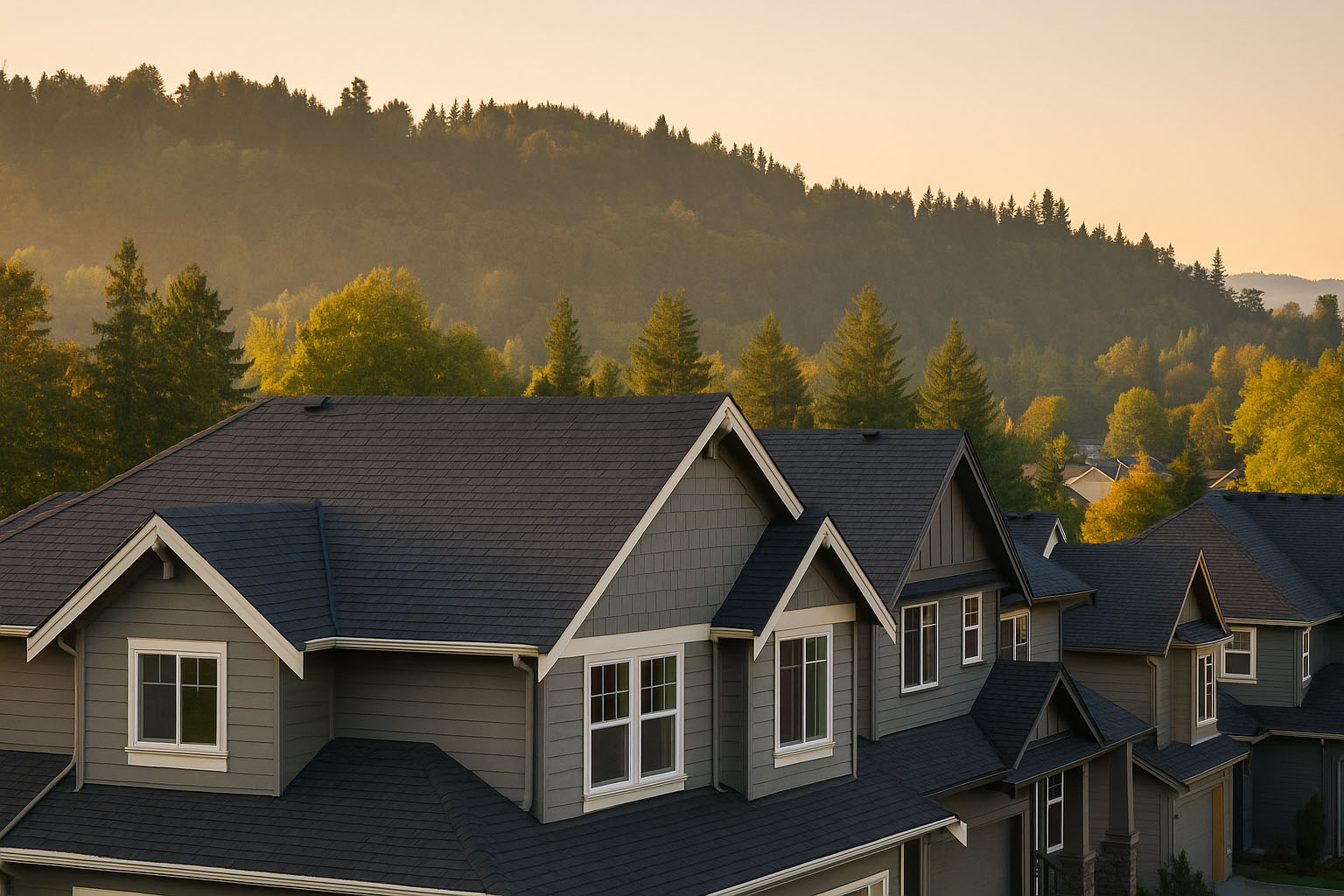
Thinking about a roof replacement in Mt. Vernon? This guide walks you through the entire process—from inspection to installation—so you know what to expect and who to trust.